
1932- The Beginnings and Growth of the School in Pototan
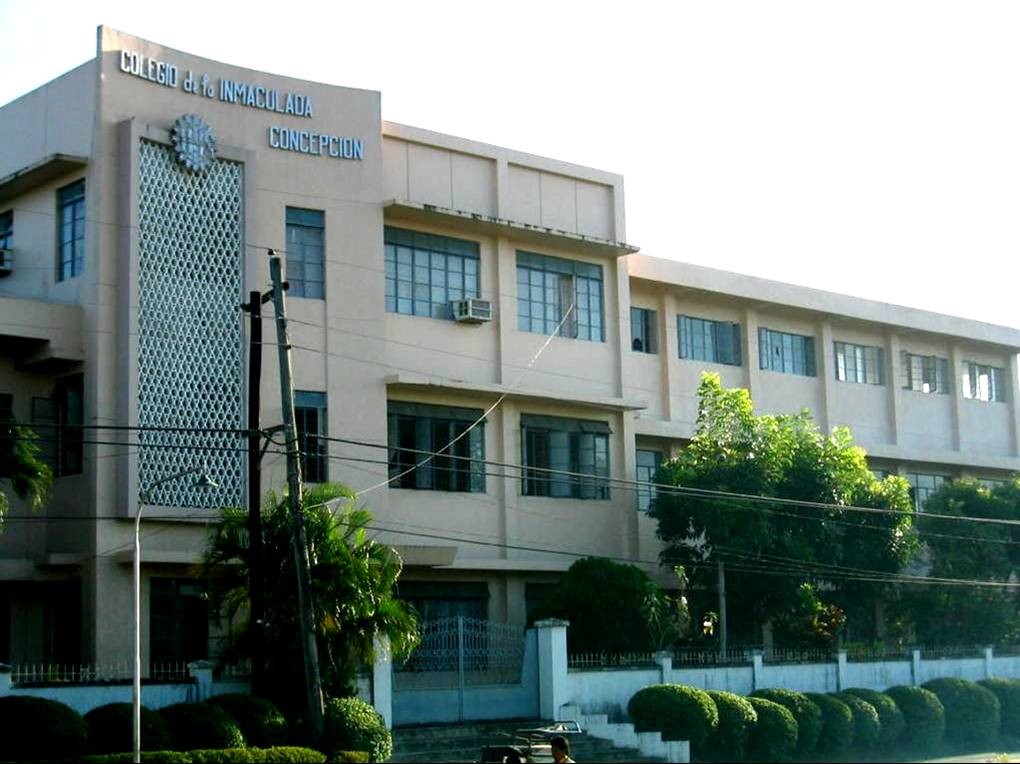
The history of the Congregation of the Hijas de Jesus in the Philippines began with the arrival of their first missionary group on June 27, 1932, at the invitation of the Most Rev. Michael J. Doherty, Archbishop of Manila. Shortly after, the mission found its cradle and birthplace in Pototan, Iloilo.
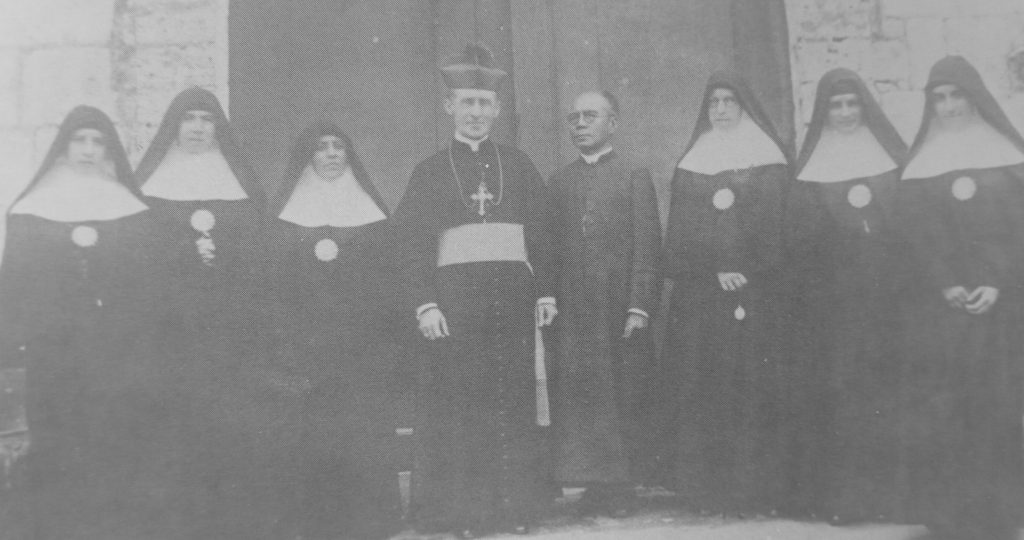
On July 13, 1932, six Sisters sent by Mother General Eloisa Andres arrived in Pototan, marking the roots of what would become Colegio de la Inmaculada Concepción (CIC). They were warmly welcomed by the local community, headed by Bishop James McClosky of Jaro and Msgr. Marcelino Guanco, Parish Priest of Pototan, who generously provided for the Sisters’ immediate needs. Today, the history of CIC stands as a rich tapestry of faith, resilience, and academic growth spanning nearly a century.
(1936–1941)
- The sisters established their relationship with the Pototanons and lived in a huge convent of the Parish of Pototan. The San Jose Parochial School opened in 1932 with twenty (20) students and had its first four (4) high school graduates in 1938.
- Following its early years offering primary and expanding intermediate courses, the school was renamed the Academy of the Immaculate Conception. By 1937–1938, it officially adopted its enduring name: Colegio de la Inmaculada Concepción.
- Expanding Horizons: During this era, the school broadened its curriculum to include high school education, cultural arts (such as piano, painting, and embroidery), and catechetical outreach. It also bore historic fruit for the congregation: on November 29, 1938, Natividad Pasaporte, a local teacher from Pototan, entered the congregation to become the very first Filipina Hija de Jesús.
(1942–1950s)
- Like many institutions across the Philippines, Colegio de la Inmaculada Concepción (CIC) in Pototan faced profound disruptions during World War II. On October 18, 1942, invading Japanese forces burned the parish church and the parish school. Seeking refuge, the Sisters sheltered at the Assumption Convent and the Asilo de Molo until liberation arrived on March 19, 1945. Though they endured the immense hardships of the occupation, the mission’s spirit never wavered, sustained by secret instructions and steadfast community resilience. Following liberation, the Sisters returned to Pototan, initially erected modest nipa and bamboo structures to resume classes, and ultimately paved the way for permanent progress when two new buildings rose in 1947 to replace the temporary classrooms.
- A monumental milestone occurred in 1957 when the Philippine Delegation celebrated its Silver Jubilee (25 years of the Hijas de Jesús in the country) right in Pototan. Four of the original Spanish pioneer sisters returned to the campus to join the festivities, welcomed by a deeply grateful town and church leadership.
- During the post-war decades, the school offered an Elementary Teacher’s Certificate program, which successfully prepared regional educators until it was phased out in 1952 to make room for newer institutional directions.
(1960s–1990s)
Significant developments transformed the school, including the addition of a new floor to the main building, the revitalization of the PTA, and a steady increase in enrollment. At the same time, retreats and recollections were intensified, deepening the spiritual life of the school community. In 1967, CIC reached a historic milestone with the appointment of its first Filipina Superior.
As the educational landscape of Iloilo evolved, CIC adapted in step:
- 1973–1974: The College Department was inaugurated, introducing foundational courses in Liberal Arts.
- 1981–1982: A Secretarial Course was added to equip young graduates with practical vocational and corporate competencies.
From its modest beginnings as a parochial grade school, CIC blossomed into a comprehensive educational community spanning Kindergarten, Elementary, Junior High School, and Tertiary programs, serving generations of families across Pototan and neighboring municipalities.
A moment of grace arrived on May 12, 1996, when Mother Candida Maria de Jesus was beatified by Pope John Paul II at Vatican City.
(2000–2026)
Today, standing as a proud landmark in Pototan, Colegio de la Inmaculada Concepción, Inc. bridges its nearly 94-year history of Christian formation with modern academic rigor, remaining deeply faithful to the charism of its Foundress, Candida Maria de Jesus.
This era was marked by an outpouring of divine grace for CIC. It began with the joyous celebration of its diamond jubilee from July 2006 to July 2007. In 2009, CIC welcomed its first lay principal, who provided exceptional academic leadership for nine remarkable years. A monumental milestone in the life of the Congregation arrived on October 17, 2010—the canonization of Saint Candida Maria de Jesus by Pope Benedict XVI at the Vatican. Joined by sisters, students, and friends from across the globe, the celebration marked Saint Candida’s rightful place as a saint for the whole world.
Navigating the K-12 Transition: As the Philippine educational system shifted entirely to the K-12 framework in the 2010s, CIC Pototan restructured its basic education wings, upgrading its curricula, faculty development programs, and learning environments to meet contemporary standards.
Community Leadership and Infrastructure: Entering the mid-2020s, the institution has heavily emphasized structural modernization, campus safety, security protocols, and sustainable community initiatives. It continues to work hand-in-hand with regional educational networks, local governance, and alumni associations to preserve its rich heritage while upgrading facilities (such as campus infrastructure, digital integrations, and multipurpose spaces).
Connect with Colegio de la Inmaculada Concepción on Facebook.