The Beginnings of the Hijas de Jesus in the Philippines
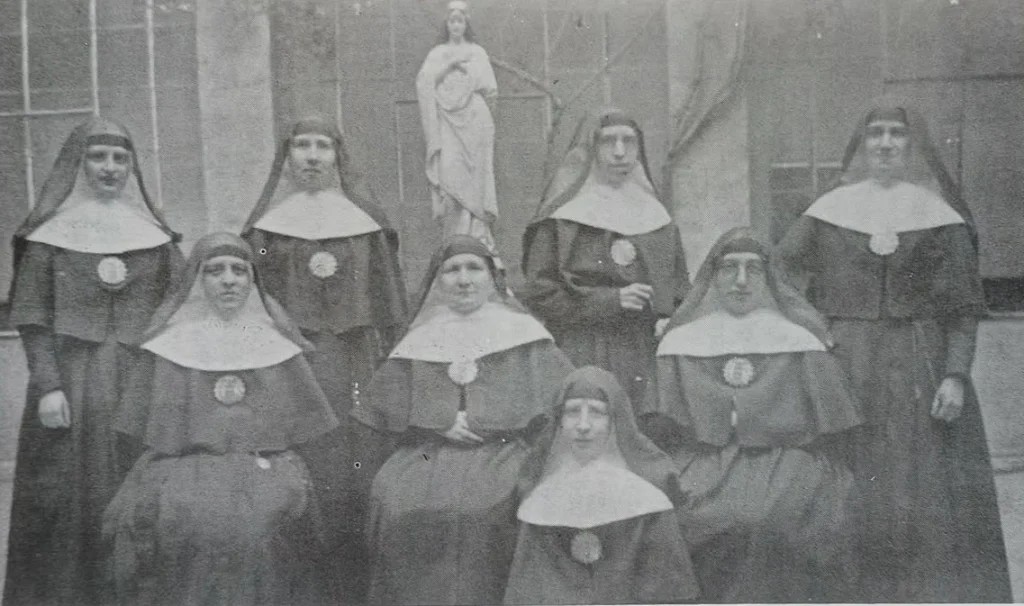
On May 22, 1932, six young Hijas de Jesús left Salamanca, Spain, sent by Sr. Eloísa Andrés, to begin a new mission in the Philippines. They traveled to Barcelona, where they would board the German ship Trier. Their destination was the Philippines.
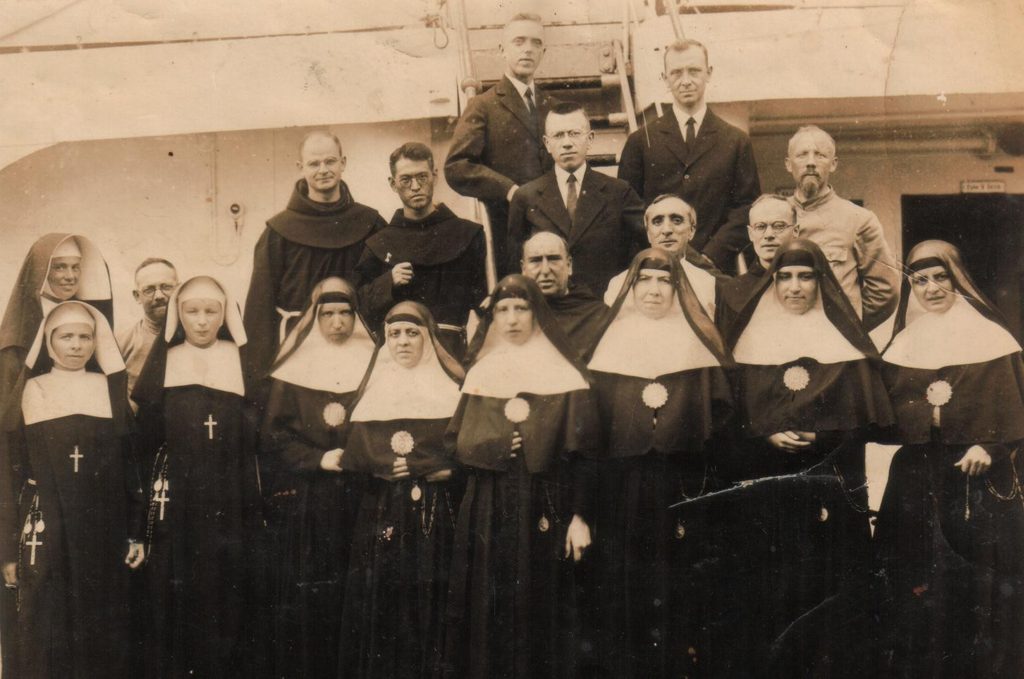
The Pioneer sisters together with some missionaries onboard the “Trier”
The pioneer community consisted of Sr. María Porta, Superior; Sr. Asunción Velasco, Vice-Superior; Sr. Sofía García, Councilor; Sr. Brígida Sagardoy, Procurator; and the two coadjutor Sisters, María Rey and Teresa García.
They departed from Barcelona on May 26, 1932, the Feast of Corpus Christi, and arrived in Manila on June 27. A few days later, on July 2, the pioneers sailed for Iloilo, accompanied by the Vincentian priest Fr. Ángel Pereira.
Upon their arrival, the Daughters of Charity warmly welcomed them to their school, the Colegio de San José in Jaro. During their stay, the Sisters began to familiarize themselves with their new surroundings. They visited schools and other institutions, met the local people, and gradually learned about Filipino life and culture.
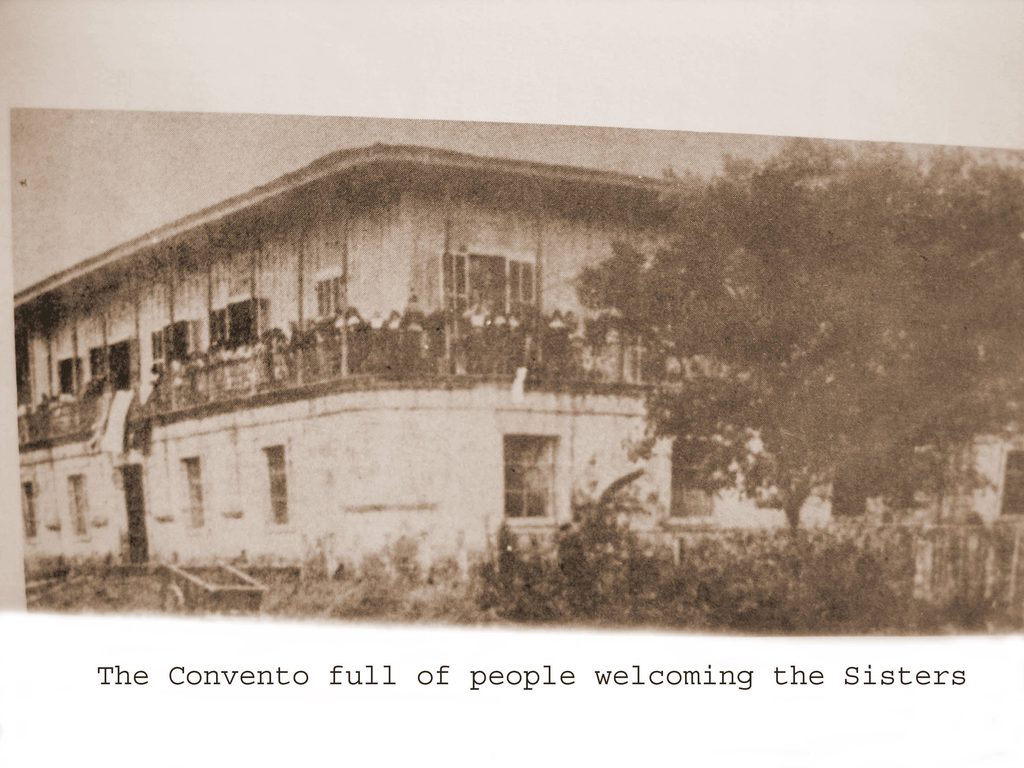
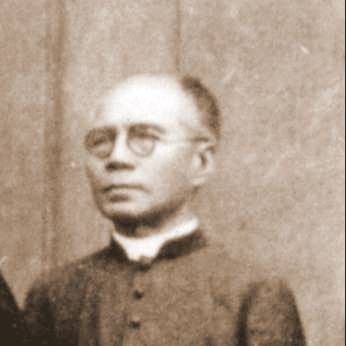
Msgr. Marcelino Guanco, the parish priest, offered the whole convent to them so that they could begin the “colegio.”
On July 10, Msgr. McCloskey, Bishop of Jaro, visited the Sisters and arranged for them to stay in the convent of Pototan, a large rice-producing town in central Iloilo. Msgr. Marcelino Guanco, the parish priest, generously offered the entire convent to the Sisters so that they could begin their own school, or colegio.
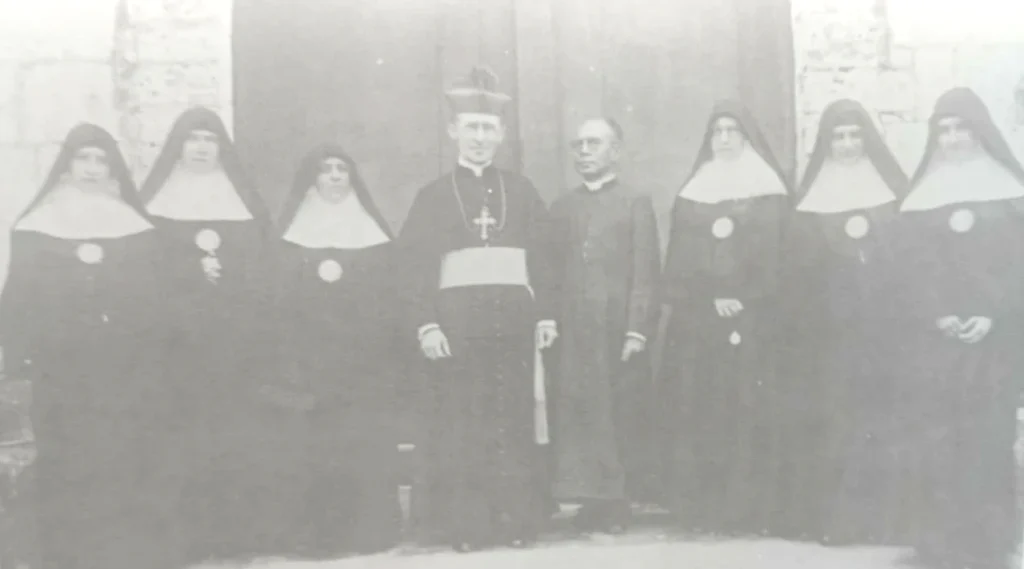
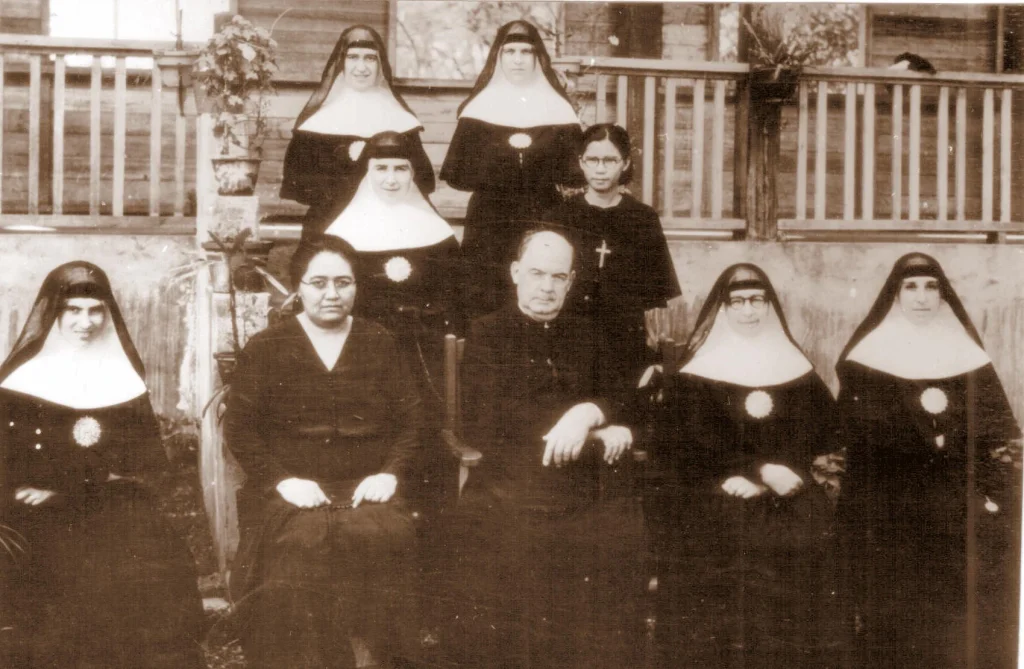
(From left to Right) Srs. Maria Rey, Brigida Sagardoy, Maria Porta, Bishop McCloskey, Msgr. Guanco, Srs. Asuncion Velasco, Sofia Garcia and Teresa Garcia. (from the History of the Philippines).
Their First School in Pototan
The Sisters immediately faced the challenge of communicating in a new country. Although some residents still spoke Spanish, they needed to learn English and Visayan to communicate effectively with the people.
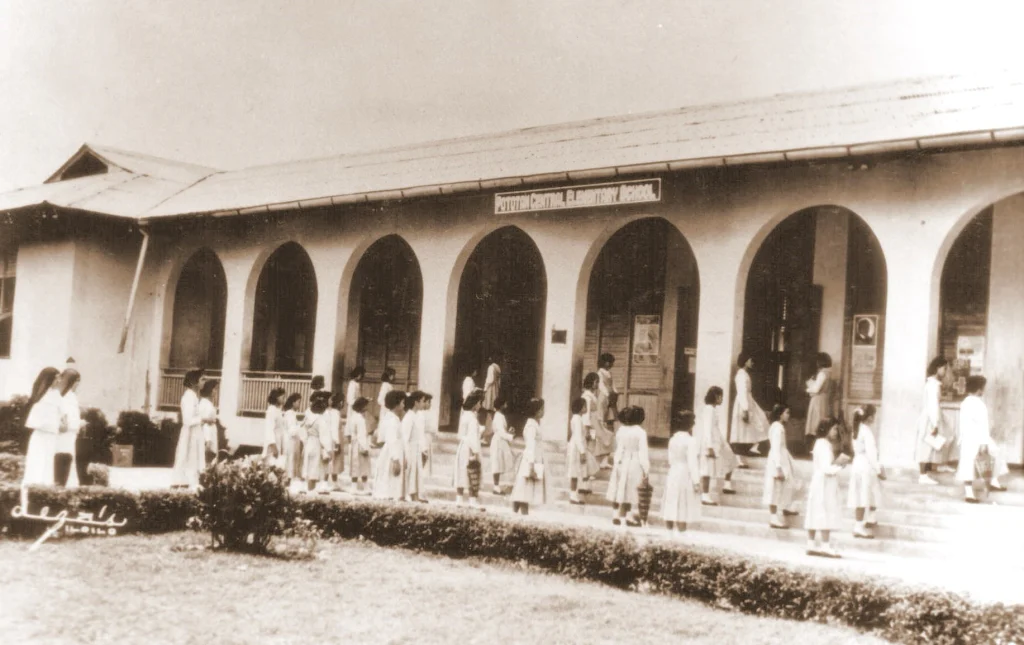
During the first school year, 1932–1933, the Sisters offered special beginner classes in Spanish, as well as practical courses in piano, typewriting, painting, and embroidery. The school also offered a complete primary curriculum from Grade I to Grade IV.
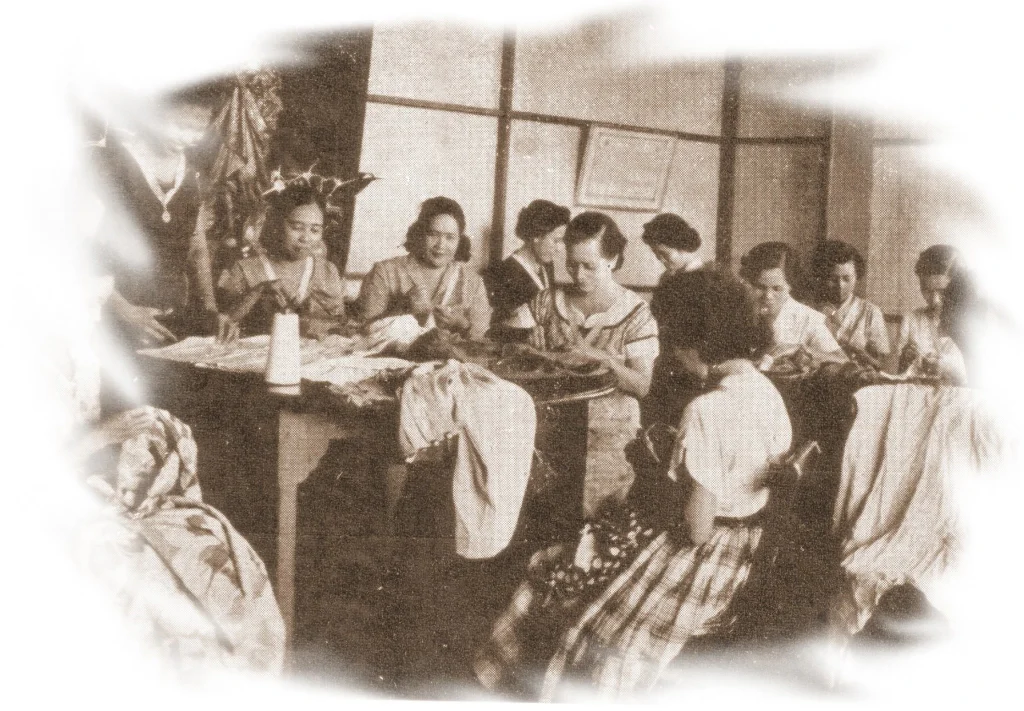
The following school year, Grades V and VI were added, together with First Year High School. In the following years, the secondary school program gradually expanded.
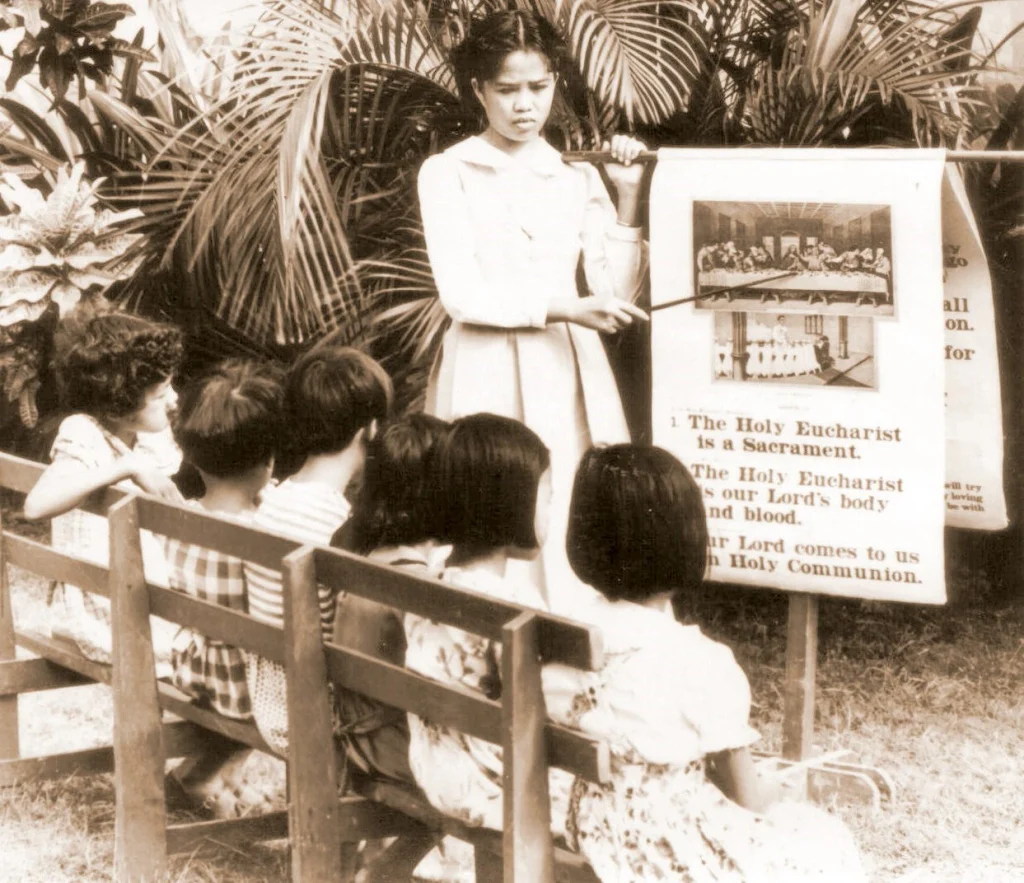
Education was not limited to the classroom. The Sisters also conducted religious instruction and catechism classes for the pupils and reached out to communities beyond the town center, visiting different barrios and sitios. Through these educational and pastoral activities, they became increasingly familiar with Filipino culture and formed lasting friendships with the people they served.
The Mission Expands
As more Hijas de Jesús missionaries arrived from Spain, the Congregation expanded its presence in the Philippines. Before the outbreak of World War II in 1941, three additional foundations were established:
- 1934 – Colegio de Nuestra Señora de la Paz, La Carlota, Negros Occidental. The school was later closed after a few years.
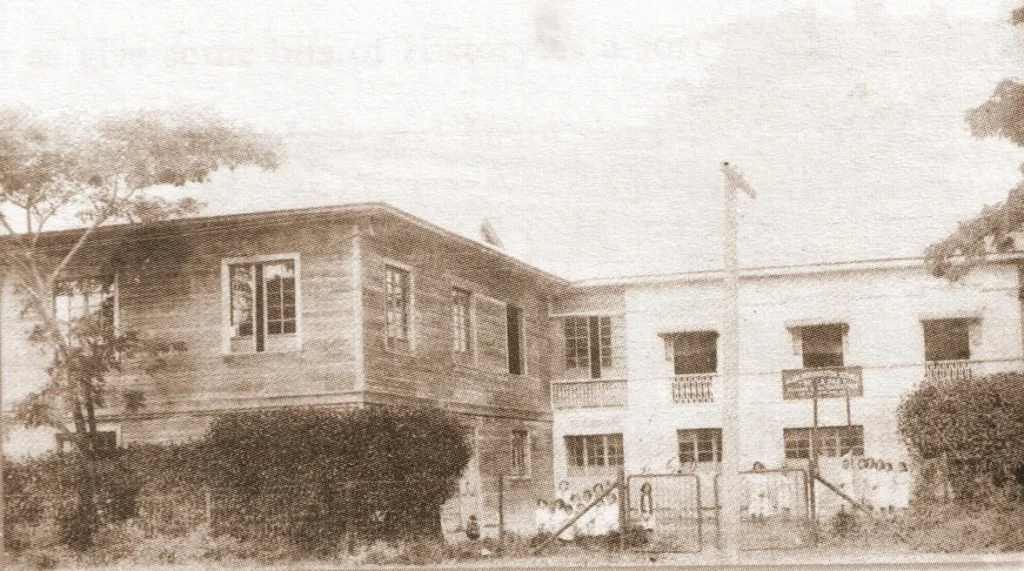
1936 – Colegio de Santo Ángel, Ledesma Street, Iloilo City, now known as Colegio de las Hijas de Jesús
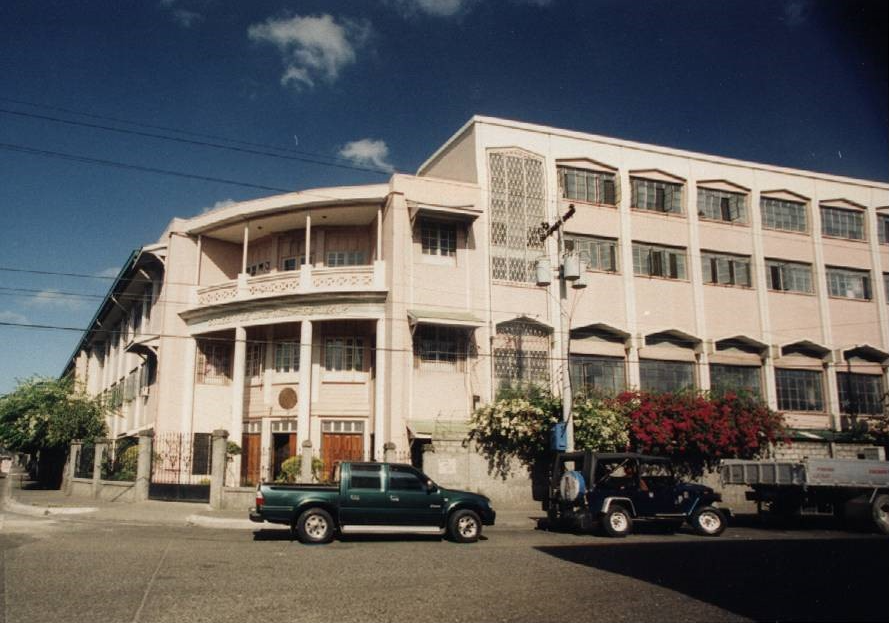
1938 – Nazareth Retreat House and Novitiate, Plaza Guipit, Sampaloc, Manila.
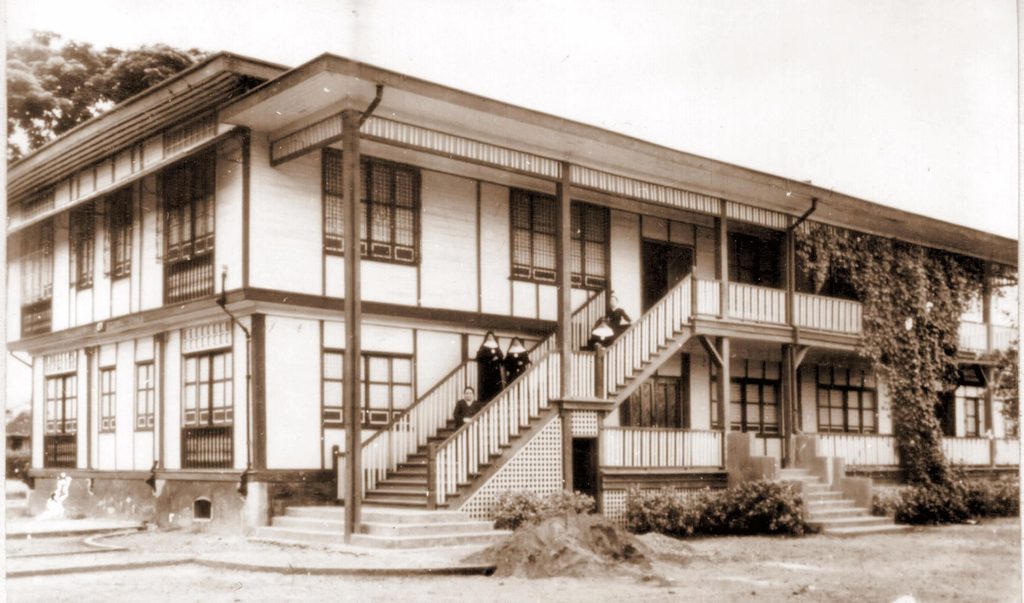
The Sisters in Iloilo built a temporary house over the ruins left by the war. Nazareth Retreat House was not damaged, and so retreat work continued even during the war years.
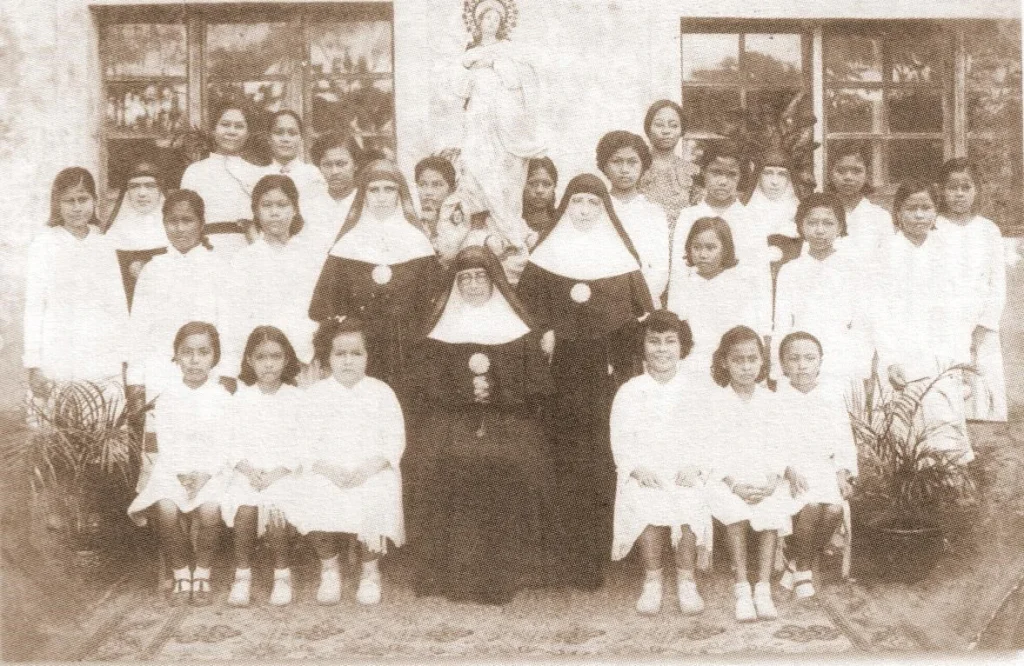
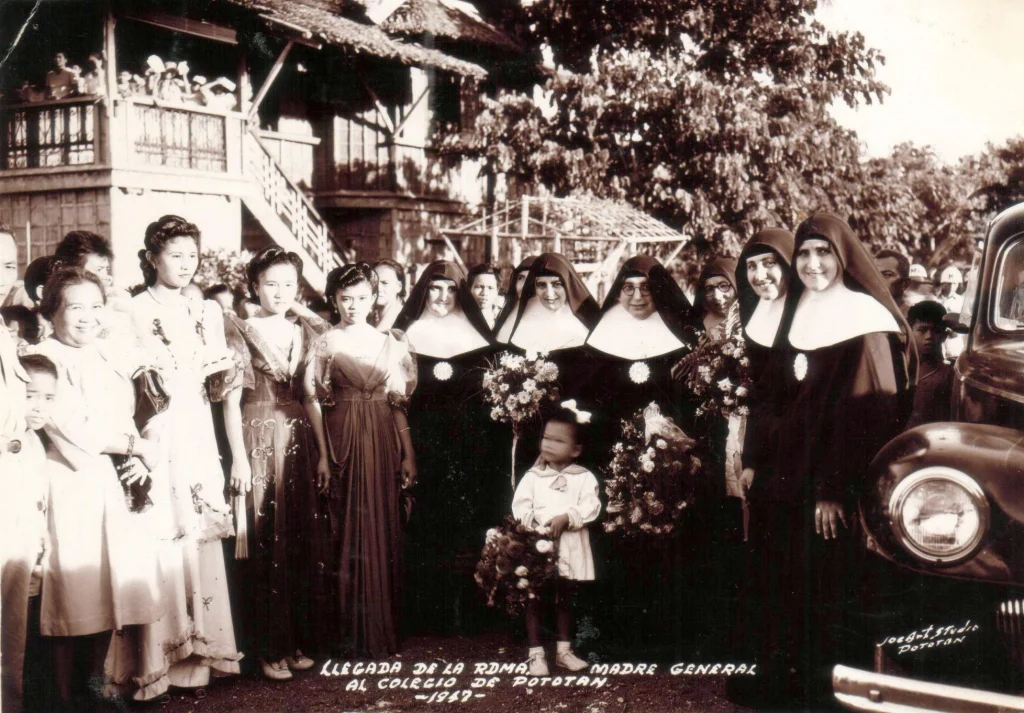
1947 and 1948 were years of reconstruction and reorganization. In March, 1947, a circular letter came from Sr. Magdalena Inibarren, Superior General, appointing Sr. Sofia Garcia, Delegate to the Philippines, with residence in Iloilo. Shortly afterwards, Sr. Magdalena herself came for a canonical visit to the Philippine Mission, which by this time was already a delegation.
The First Filipina Hija de Jesús
Meanwhile, the seeds of local vocations were beginning to take root. On November 29, 1938, Natividad Pasaporte, a teacher from Pototan, entered the Congregation as a postulant. She became the first Filipina Hija de Jesús.
Her entrance marked an important moment in the history of the Congregation in the Philippines. Soon, other Filipinas followed, and the Philippine Delegation gradually grew stronger and more prepared to face the challenges of its expanding mission.
Twenty-Five Years of Mission in the Philippines
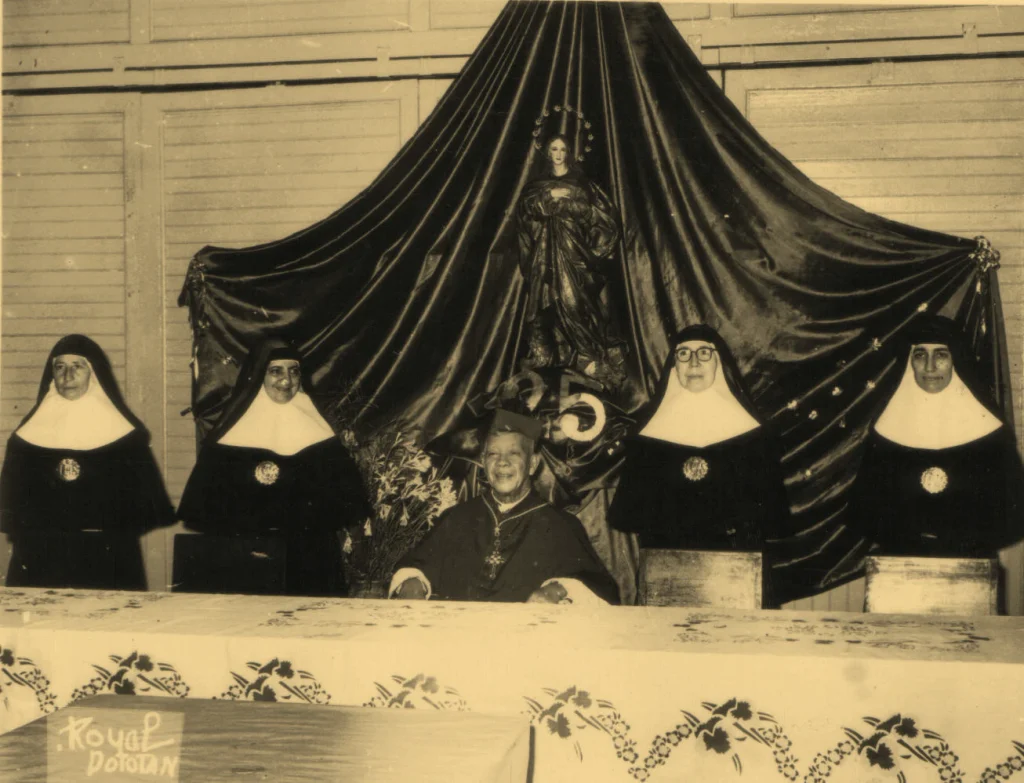
In 1957, the Philippine Delegation celebrated its Silver Jubilee, marking twenty-five years since the arrival of the first Hijas de Jesús missionaries in the Philippines. The celebration was held in Pototan, the cradle of the Congregation’s mission in the country. Four of the original pioneer Sisters were still living, namely: Srs. Sofía García, Brígida Sagardoy, María Rey, and Teresa García. The pioneer sisters returned to the Colegio de la Inmaculada Concepción with much joy for this celebration. The townspeople organized a festive program attended by religious Sisters and diocesan priests. Msgr. Marcelino Guanco, Bishop of Jaro, honored the celebration with his presence.
Growing in Mission
As the years went by, new communities and institutions were founded to respond to the changing needs of the people, carrying forward the desire to go to the “towns where we are most needed.”
Education remained at the heart of the Philippine mission, with schools serving as important centers from which the Sisters could reach out to the wider community. At the same time, the Sisters gradually expanded into other forms of pastoral ministry, responding to the changing needs of the Church and society.
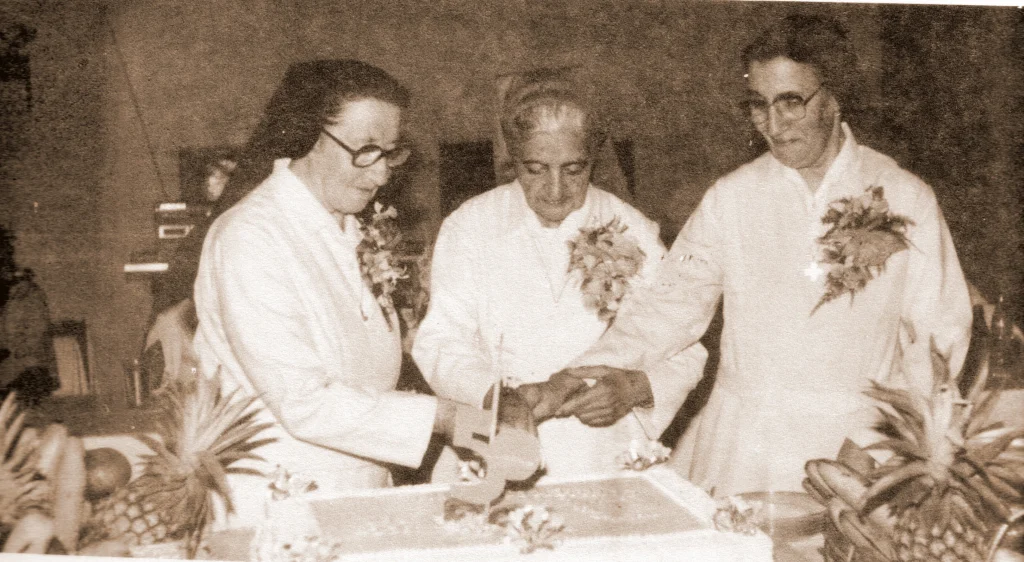
By 1982, the Hijas de Jesús celebrated fifty years of missionary presence in the Philippines. At that time, three of the original pioneers were still living: Srs. María Rey, Sofía García, and Teresa García. The Golden Jubilee years also witnessed significant growth, with new foundations being established in Luzon and Mindanao.
A Legacy of Mission
Looking back over the decades, the journey of the Hijas de Jesús in the Philippines tells a story of faith, courage, adaptation, and generous service. What began with six young missionaries arriving in an unfamiliar land in 1932 gradually grew into a flourishing Philippine community of Hijas de Jesús, enriched by the vocations of Filipino women and sustained by their commitment to education and pastoral service.
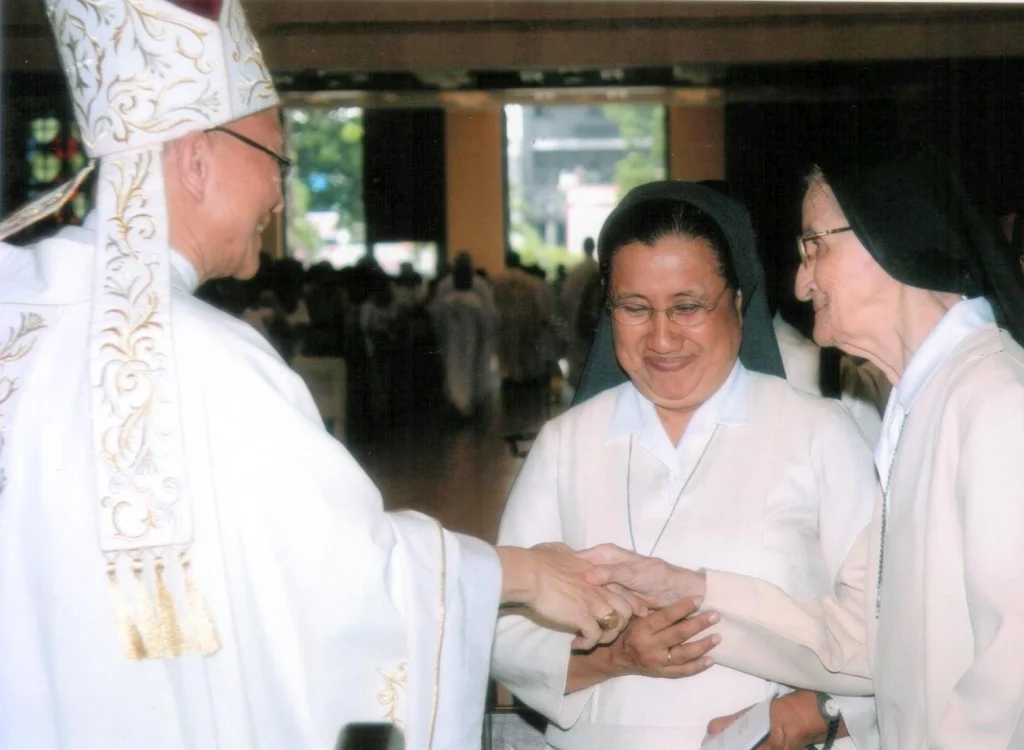
On August 9, 2008, the Hijas de Jesús celebrated another important milestone—their Diamond Jubilee, commemorating seventy-five years of missionary presence in the Philippines. The celebration also coincided with the 126th anniversary of the Death of Blessed Cándida María de Jesús.
Truly, the Lord God poured his bounteous graces to this Family of the Hijas de Jesus as they celebrated another milestone- the Diamond Jubilee Celebration last August 9, 2008, commemorating also the 126th death anniversary of Bl. Candida Maria de Jesus. The only surviving pioneer, Sr. Teresa Garcia, is greeted by Bishop Honesto Ongtioco in this photograph, accompanied by Sr. Maria Celia Gorriceta.
From the first small community in Pototan, the mission had grown into a wider presence throughout the Philippines, a testimony to the grace of God and to the faith, courage, and generosity of the women who carried the charism of Mother Cándida to Philippine soil.
Based on “The Golden Jubilee Book”