THE 8 C’S OF MY FAITH JOURNEY IN JAPAN
“Gratitude unlocks the fullness of life.
Gratitude makes sense of our past, brings peace for today,
and creates a vision for tomorrow.”
— Melody Beattie
The year 2020 brought many surprises from God. In January, I was informed that I would be sent to Hayama, Japan, for two and a half months to collaborate in and reinforce the mission of caring for our elderly and infirm Sisters. Since Sr. Yoli Brandolin was on a family visit in Argentina, the community needed an extra pair of hands and feet. I was told that, if everything went well, this “experimental send-off” would be a first.
I received the assignment with openness, simply telling myself, “If God wills it, so be it!”
And indeed, everything went well. The Japanese government granted me a short-stay visa valid for three months. What was initially planned as a two-and-a-half-month mission eventually became an extended five-month stay, made possible by the travel restrictions brought about by the COVID-19 pandemic.
Looking back with a grateful heart, I recognize those five months in Japan as a meaningful, purposeful, and enriching chapter of my life. What initially seemed like an unexpected interruption became a precious opportunity for deeper communion, service, learning, and spiritual growth.
I would like to sum up this faith journey through the “8 C’s of My Faith Journey in Japan.”
1. COMMON LIFE WITH THE SISTERS
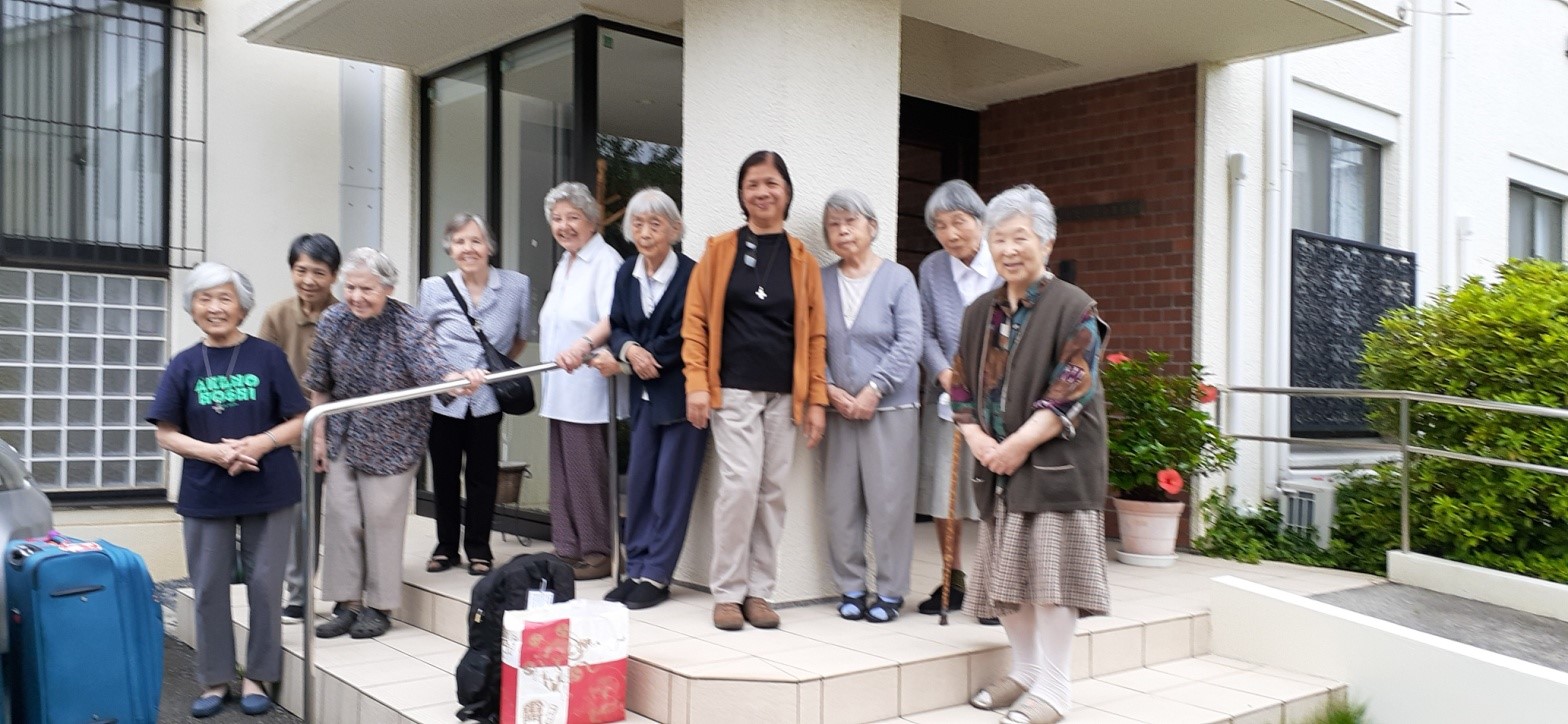
In the midst of winter, on February 12, 2020, I was warmly welcomed by the Sisters in Japan, most of whom I was meeting for the first time. Their warmth, sincerity, and hospitality immediately made me feel at home. After all, we are one family.
Looking back, I now have something more to be grateful for in the cancellation of my return flight—not once, but twice—because of the global travel restrictions. What initially seemed like an inconvenience became an unexpected gift. It gave me more time to remain with the Sisters, participate in their communal prayers, join Sunday Mass through livestreaming, attend weekday Eucharistic celebrations when possible, share meals and recreation, and simply be present with them while Sr. Yoli remained stranded in Argentina.
I was deeply touched by the Sisters’ spirit of service and availability despite their physical limitations brought about by age and health. Their example was both inspiring and humbling. I was particularly moved by their spontaneous expressions of gratitude, even for the simplest things done for them:
“Arigatou” – Thank you.
“Doumo arigatou” – Thank you very much.
“Arigatou gozaimasu / Arigatou gozaimashita” – Thank you, expressed more politely.
Their gratitude reminded me that appreciation does not depend on the greatness of what is received. A grateful heart knows how to recognize love even in the smallest gestures.
Throughout my stay with the elderly and infirm Sisters of Hayama, the meaning of consecrated life as mission continually echoed within me. Their presence became a constant invitation to examine more deeply the quality, motivation, and manner of the presence I offer to others.
2. CHALLENGES AND THE IMPACT OF COVID-19 ON THE COMMUNITY
The declaration of a state of emergency in Japan brought profound changes to daily life. Public Masses and other religious activities were suspended or restricted as measures were put in place to prevent the spread of the virus. We participated in Sunday Mass through livestreaming, for which we were especially grateful. Technology enabled us to remain connected with the Eucharistic celebration and with the wider Church even when we could not physically gather.
Gradually, the community learned to adapt to this new reality—the “new normal.”
One of the greatest challenges was the persistent fear of becoming infected. Alongside conscientious observance of health protocols and precautionary measures, we discovered another powerful response: fervent prayer.
The community prayed for safety and protection, especially for those on the front lines of the pandemic and for the most vulnerable. In those uncertain times, the virus seemed like an unseen and borderless enemy, spreading fear and anxiety. Yet the experience also reminded us to lean more deeply on God, to place our hope in Him, and to entrust ourselves to His loving care.
3. COMMUNION WITH GOD AND HIS CREATION
Pope Francis reminds us of the importance of recovering the personal space we need for a heartfelt dialogue with God. Hayama, situated in a quiet countryside setting, provided an ideal environment for this.
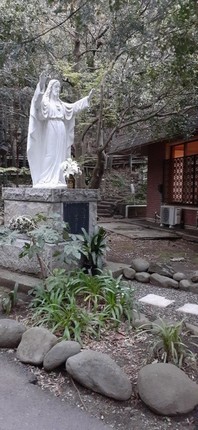
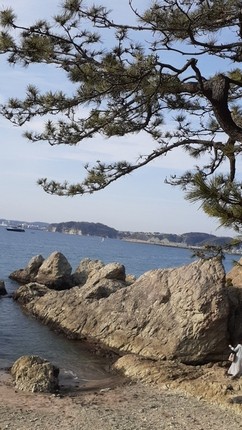
The Sisters’ residence was in a peaceful neighborhood where the beauty of nature surrounded us. The quietness of the place made it easier to reconnect with God—not only through prayer, but also through simply pausing, observing, and allowing myself to be immersed in the beauty of creation.
This communion with nature left a lasting and indelible impression on me. It deepened my appreciation for the beauty of God’s creation and awakened within me a renewed sense of gratitude to God the Creator.
I also realized how easily we can become absorbed in technology, work, and our many responsibilities that we gradually lose our capacity for wonder. When this happens, we may fail to notice the cries of our Common Home and the suffering of wounded humanity. We risk becoming deaf to the invitation of Laudato Si’ to care for creation and to recognize our interconnectedness with all that God has made.
4. CREATIVITY UNLOCKED IN A STAY-AT-HOME ENVIRONMENT
The outbreak of COVID-19 and the declaration of the state of emergency brought many challenges and changes to everyday life. The possibility of spending long periods at home, together with the negative and devastating effects of the pandemic, led me to reflect on how I could continue to live a meaningful, productive, and joyful life amid such uncertainty.
Aside from personal prayer, reflection, and faith-sharing through fichas, I found creative ways to make my days fruitful. I engaged in nature walks, sightseeing, gardening, baking, marketing, cleaning, and watching news programs and documentaries. I also taught the Sisters how to make rosary bracelets.
These simple activities opened unexpected spaces for learning and growth. They helped me become more attentive to the needs of the community and more available in service. They also created precious opportunities for bonding with the Sisters and for growing together in spirit and prayer with all those affected by the pandemic.
What could have become a season of confinement became, instead, a season of creativity, availability, and deeper communion.
5. CARE FOR OUR COMMON HOME AND CONNECTIVITY
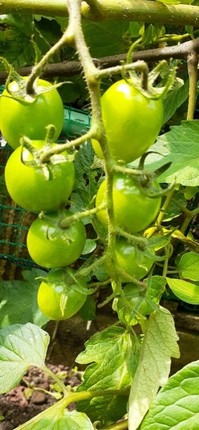
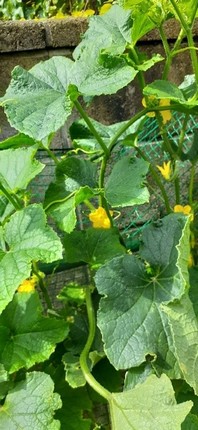
In Hayama, organic gardening became my personal response to Pope Francis’ call to care for our Common Home. Beyond the enjoyment and recreation it provided, organic gardening reminded me of the importance of caring for the earth and reducing the use of chemicals that may harm both human health and the environment.
What gave me particular joy was watching the vegetable seedlings grow until they could finally be harvested and brought to the kitchen for the Sisters’ meals. It was a simple but beautiful experience of being able “to see and taste the goodness of the Lord.”
Taking care of plants—watering them, trimming them, reviving dying ornamental plants, and cutting the grass—became one of my favorite pastimes because I have always loved being close to nature.
There were also unexpected encounters! One day, while gardening, I was delighted to see squirrels climbing, gliding, and feeding on seeds and nuts in the trees. At other times, gardening could be surprising—even frightening. There were snakes crossing my path and once, a crow flew just a hair’s breadth from my head, close enough for me to feel the wind beneath its flapping wings!
These creatures certainly succeeded in getting my attention and reminding me that they, too, are part of God’s creation.
More importantly, gardening became a beautiful metaphor for my own spiritual journey. Just as plants need soil, water, sunlight, pruning, patience, and care, so too does the human spirit. I began to recognize more deeply our interconnectedness within the web of life and the need to cultivate patiently what God has planted within us.
6. COGNIZANT OF THE DIVINE PRESENCE IN OTHERS
One of the blessings of my extended stay was the opportunity to gain a deeper glimpse into the religious, cultural, economic, and social realities of the Japanese people and the history that has shaped them.
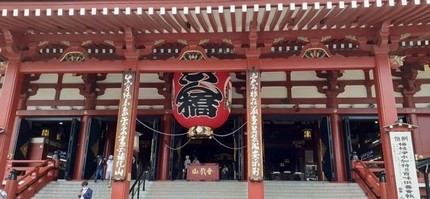
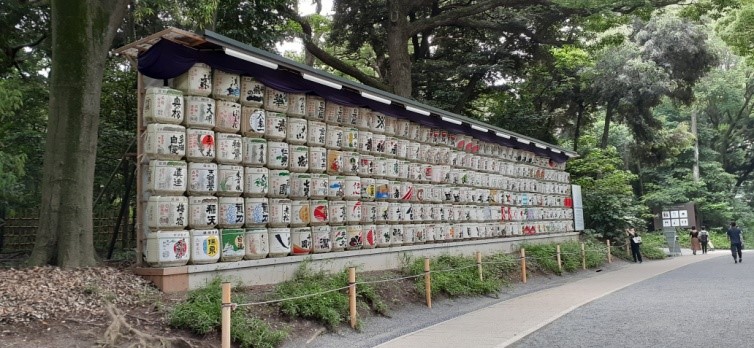
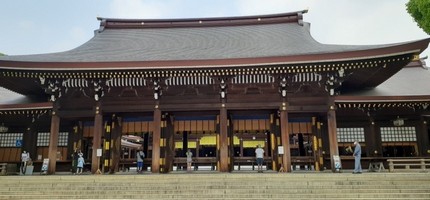
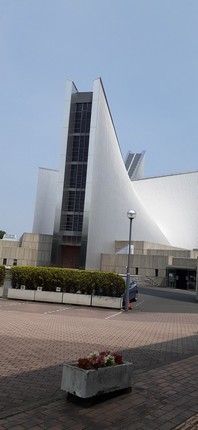
When the state of emergency was lifted, I had the opportunity to visit some Shinto and Buddhist temples. During these visits, I was fascinated to observe certain similarities between the rituals of worshippers and some of our own religious practices. At the same time, these encounters reminded me of the importance of respecting differences in religious beliefs and practices.
I came to appreciate more deeply the beauty and richness found in every culture and religious tradition. I was also able to discover more of the beauty of Japanese culture—their traditional clothing, music, food, language, customs, and way of life.
It was a wonderful gift to experience the beauty of another people and culture and, through them, to glimpse once again the beauty of the Creator’s work.
Indeed, the Father’s work is beautiful!
7. CULTIVATING THE PRACTICE OF PATIENCE AND CALMNESS
The global travel restrictions and changing regulations led to the cancellation of my return trip to Manila twice.
Those moments were not easy. I had to deal with uncertainty, changing plans, and the emotions that naturally came with not knowing when I would be able to return home.
Through prayer and reflection, however, I gradually sensed God assuring and reassuring me to trust in His perfect timing. What had initially appeared to be a frustrating delay became an opportunity to cultivate patience and calmness.
I learned not to be overly troubled by sudden changes in plans, to let go of what was beyond my control, and to live with less stress, frustration, and disappointment.
What seemed at first to be a negative experience became transformative. God was teaching me, quietly and patiently, that His plans do not always follow my timetable—and that peace comes when I learn to trust His.
8. CULTIVATING A HEART OF GRATITUDE
Jean-Baptiste Massieu, the famous deaf educator, is credited with the saying that has become a French proverb:
“Gratitude is the memory of the heart.”
These words are especially meaningful to me as I look back on those five months in Japan. My heart is filled with gratitude.
I am grateful to God our Father, whose love is steadfast and faithful.
I am grateful to the Blessed Virgin Mary and St. Candida, for their motherly intercession and loving accompaniment.
I am grateful to the Congregation and the Indico-Pacific Province for the privilege of collaborating in the mission in Hayama.
I am grateful to all the Sisters who accompanied me through their prayers and fraternal support.
And, last but certainly not least, I am deeply grateful to the Sisters of Japan, who became an important part of my spiritual journey and with whom I shared beautiful moments, simple joys, challenges, laughter, prayer, and life.
These experiences have become precious memories—memories that continue to live in my heart.
Memories like these never fade.
ありがとうございました
Arigatou gozaimashita.
Thank you very much.
As I remember this extraordinary chapter of my life, I can only echo the prayer of the Psalmist:
“I will praise You with all my heart,
glorify Your name forever, Lord my God.”
— Psalm 86:12
By Sr. Meng Cabrera, F.I.
SOME PHOTOS:
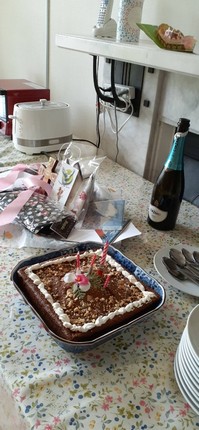
Sr. Floyd’s Birthday
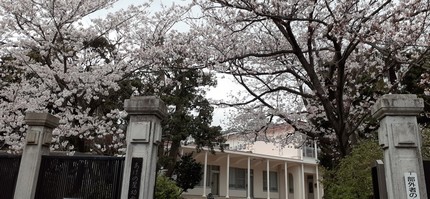
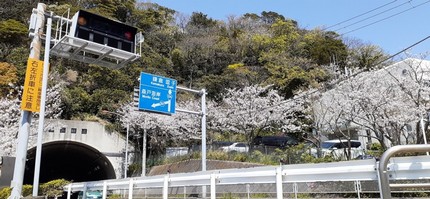
Sakura
Hayama’s Pride
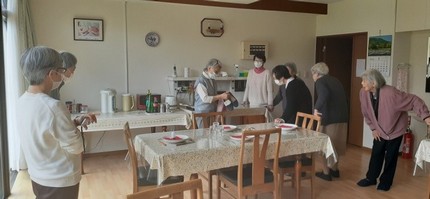
Kaneko’s Birthday